
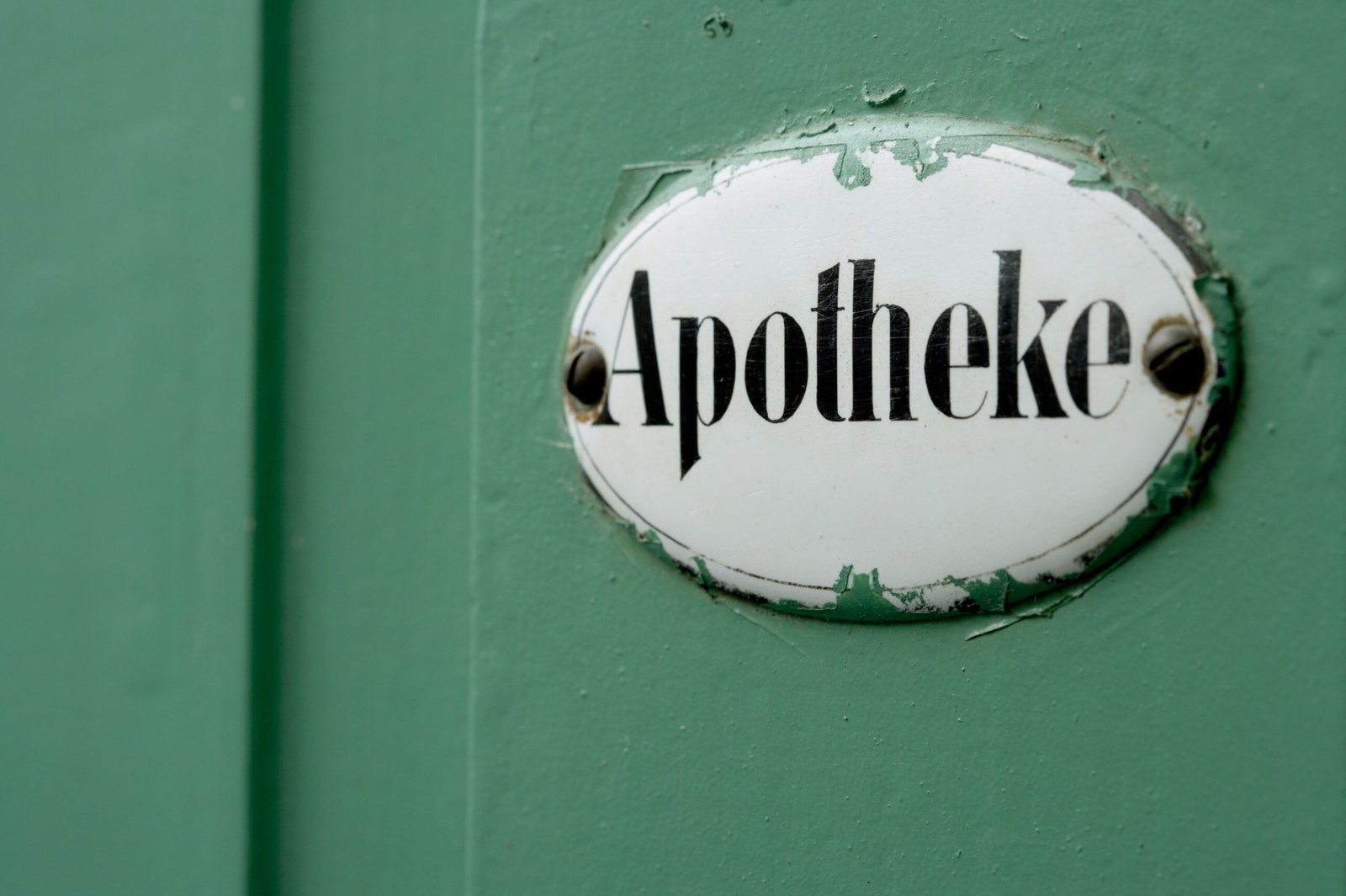
That’s when you realize a pharmacy is more than just a place to grab a box of aspirin. You walk in expecting a quick transaction, but you end up in a complex mix of medical advice, logistics, and the sheer grit needed to run a small business in today’s economy. It isn’t just about the medicine; it’s about the person behind the counter who actually knows your family history.
The tension in the industry is real. You’ll hear people say things are getting harder for pharmacies every single day, and they aren’t exaggerating. It’s a grind. Between the rising cost of specialized drugs and regulatory hurdles that seem to multiply every year, staying afloat takes more than just good business sense. It takes a specific kind of resilience.
Sometimes it feels like the system works against the very people it’s meant to help. If you need a private prescription during an emergency on-call shift, you’re often left facing the full cost without your usual insurance cushions. It’s a heavy, frustrating burden to carry.
The Practical Reality of Local Pharmacy Logistics
If you live in a small community, you rely on specific people and specific hours. You can’t just show up whenever you feel like it. If you look at the service hours for a standard local provider, like the one at 05434 7676, you’ll see a structured window that forces you to plan your day around your health. They are open from 08:00 to 13:00 and again from 14:00 to 18:30.
It’s a tight schedule. There’s that one-hour gap in the middle of the day where you have to time your errands perfectly or you’ll be waiting until late afternoon. This kind of structure is common, but it means you have to be disciplined about your own medical maintenance.
Local accessibility is the backbone of community health. When you go to your local Apotheke Naunhof, you aren’t just buying a product. You’re engaging with a service that understands the local rhythm. The staff knows you. They know you need your refills by a certain Tuesday every month.
Supply chain logistics also dictate what you see on the shelves. If a medication is out of stock, it isn’t just an inconvenience; it’s a gap in your treatment. Pharmacists spend a massive amount of time playing detective, trying to track down stock or finding alternatives that won’t mess with your current regimen.
Most of this work goes unnoticed until something goes wrong. You don’t think about inventory management or the strict temperature controls required for biologics until you realize your insulin is missing. It’s a delicate balance.
Travel Readiness and the Prophylaxis Problem
Planning a trip should be about relaxing, but for many, it’s a source of anxiety regarding health risks. You start thinking about different climates, new food, and getting sick in a place where you don’t know any doctors. This is why a professional consultation matters more than a random search on a travel blog.
A “travel pharmacy” isn’t just a kit of Band-Aids and Ibuprofen. It’s a personalized set of tools tailored to your medical profile and where you’re going. A professional can look at your history and suggest specific precautions. For example, if you’re on a long-haul flight, they might discuss thrombosis prophylaxis with you to help prevent blood clots during the journey.
| Travel Need | Professional Service Provided | Why It Matters |
|---|---|---|
| Custom Kits | Tailored selection based on checklist | Avoids carrying useless items |
| Thrombosis Advice | Prophylaxis consultation | Essential for long flights |
| Medication Supply | Sufficient quantities for trip duration | Prevents running out in foreign lands |
| Climate Specifics | Advice on sun, heat, or altitude | Prevents environmental sickness |
A good travel consultation takes the guesswork out of your suitcase. They use a checklist so you don’t forget the essentials a layperson might overlook. It’s about being prepared for the worst so you can actually enjoy the best.
You want to arrive feeling confident. You don’t want to be searching for a pharmacy in a language you don’t speak because you forgot your basic allergy meds. It’s better to spend twenty minutes at the pharmacy now than two days in a hospital later.
Economic Pressures and the Survival of the Small Pharmacy
There’s a growing conversation about whether independent pharmacies can survive. It’s a hard time to be a small business owner in this sector. The phrase “Apotheken retten kostet nur eine Unterschrift” suggests that the fate of these institutions often rests on administrative decisions made far away from the actual storefronts.
The economics are brutal. Margins on common medications have been squeezed by regulations and insurance reimbursement rates. When you add the overhead of high-tech medical equipment and the cost of highly trained staff, the math is difficult to balance.
Small pharmacies are getting squeezed from two sides. On one side, you have massive, highly automated chain pharmacies that can play the volume game. On the other, you have increasing pharmaceutical regulations that require expensive software and constant training.
It’s a constant struggle. You see it in how business owners manage stock and staffing just to stay viable. It isn’t just about selling pills; it’s about managing a high-stakes medical supply chain while keeping the lights on.
The community loses something when these local anchors vanish. A pharmacy isn’t just a shop; it’s a healthcare hub that provides a level of accessibility that a giant warehouse or an online retailer simply can’t replicate.
The Complexity of Medical Advice and Consultation
When you walk up to the counter, you’re often looking for an answer to an urgent question. “Will this interact with my other pills?” or “Is this the right dose for my child?” These are the core of a pharmacist’s daily responsibility.
The depth of knowledge required is immense. They aren’t just reading labels; they’re understanding the biochemistry of how different compounds interact in the human body. A mistake here isn’t just a clerical error; it can be a medical emergency.
You might think a quick question is simple, but the pharmacist has to run through a mental checklist of your entire medical profile. They consider your age, weight, diet, and any other medications you’re taking. It’s a high-pressure cognitive task performed hundreds of times a day.
* Checking for drug-to-drug interactions.
* Verifying dosage instructions.
* Explaining potential side effects.
* Advising on lifestyle adjustments.
This level of personalized care is why pharmacists remain relevant even as digital health tools try to take over. An algorithm can’t look at you and see that you look particularly fatigued or that you seem confused about your instructions. That human observation is a diagnostic tool in itself.
It’s a heavy responsibility. The weight of that advice can change the course of a patient’s recovery. They take that seriously, even if the interaction feels like a routine part of their day.
Beyond the Counter: The Diversification of Services
To survive, modern pharmacies are expanding what they actually do for the community. They’re moving away from being purely transactional and toward becoming wellness centers. This shift is necessary for survival and actually helps the patient in the long run.
You might see pharmacies offering more specialized testing, or an expanded range of wellness products that focus on preventative health rather than just reactive treatment. This diversification allows them to maintain the revenue needed to keep traditional, high-necessity services available.
It’s about meeting you where you are in your health journey. If you’re proactive about your health, you need a pharmacy that supports that. If you’re dealing with a chronic illness, you need a pharmacy that supports that management.
This is happening everywhere. You see it in how shop layouts are changing and how staff are being trained to handle more complex consultations. It’s a shift from being a “pill dispenser” to being a “health consultant.”
It’s a necessary change. Without it, the small, local pharmacy might simply cease to exist under modern economic pressures.
Always double-check your prescription labels against what you actually received before leaving the pharmacy.
Good to know
What specific services does Sternen Apotheke Naunhof offer?
Sternen Apotheke Naunhof provides prescription fulfillment, professional health consultations, and various specialized pharmaceutical care services.
Can I get medical advice at Sternen Apotheke Naunhof?
Yes, the pharmacists at Sternen Apotheke Naunhof offer expert consultations to help you manage your medications and health concerns.
Does Sternen Apotheke Naunhof provide home delivery services?
The pharmacy offers localized services to ensure residents in the Naunhof area have convenient access to their essential medications.
Can I drop off prescriptions at Sternen Apotheke Naunhof?
Yes, you can submit your medical prescriptions directly at the pharmacy for professional processing and dispensing.
Does the pharmacy offer specialized wellness or skincare products?
In addition to medications, Sternen Apotheke Naunhof stocks a curated selection of health, wellness, and high-quality skincare products.
Leave A Comment