
That’s where the conversation usually breaks down. You think it’s a matter of willpower, but sitting at a dinner table staring at a plate of pasta feels less like a choice and more like a physiological command. We’ve spent decades treating weight management as a moral failing or a lack of discipline, but the science of how our bodies process energy is far more complicated than a simple math equation of calories in versus calories out.
The reality is that your body is a survival machine. It’s designed to hold onto fat with a grip like a vise because, for most of human history, food was a rare luxury. When you try to force a deficit through sheer grit, your brain often responds by cranking up hunger hormones and slowing your metabolism to prevent what it perceives as a famine. It’s a biological tug-of-war that most people lose if they try to fight it using only mental strength.
This is why the debate over prescription medications has become so heated. For some, these drugs are a “cheat code”—a term that makes me wince because it implies the work isn’t real. For others, they’re the only way to quiet the biological noise that makes healthy living feel like an impossible uphill battle. It isn’t about avoiding hard work; it’s about leveling the playing field so that the hard work actually yields results.
The Mechanism of Hunger
Most modern medications for weight management target the signals sent between your gut and your brain. Your body uses hormones to communicate its nutritional status, and when those signals get crossed, you end up feeling hungry even when you have plenty of stored energy. It’s a disconnect that makes “just eating less” feel like trying to ignore a loud siren blaring in your ear.
These medications often mimic hormones that tell your brain you’re full. When you take them, that siren gets turned down. You might look at a second helping of food and feel… nothing. Not a sudden aversion, but a simple lack of interest. It’s a subtle shift that changes the entire psychology of eating.
The Gut-Brain Connection
The connection between your digestive tract and your central nervous system is a two-way street. It isn’t just about what you swallow, but how your brain interprets the chemical messages coming up from your stomach. If your brain thinks you are starving, no amount of salad is going to satisfy that primal urge.
The Role of Insulin and Leptin
When your body becomes less sensitive to insulin or leptin, your internal hunger thermostat breaks. You might have plenty of fat stores, but your brain can’t see them. This creates a state of constant, driving hunger. Medication can help manage these hormonal levels, effectively recalibrating the sensors that have gone haywire over time.
Navigating the Medical Options
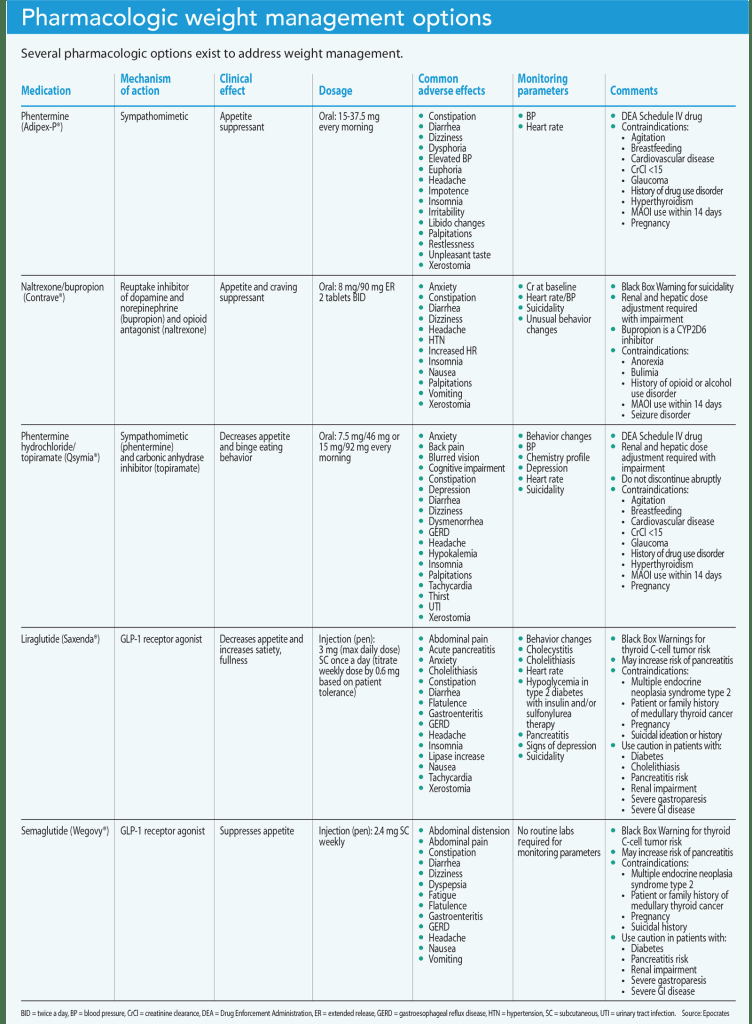
If you are looking into this, you’ll find a wide range of options. Some are designed to slow down how fast your stomach empties, making you feel full for longer. Others focus on the neurological side, targeting the reward centers in your brain so that food no longer provides that intense dopamine hit that leads to bingeing.
Choosing a path isn’t something you should do alone. It requires a clinical assessment of your metabolic health, your history, and your specific symptoms. If you are working with a pharmacy like Schiller-Apotheke, you will find that the conversation is less about “diet pills” and more about targeted medical interventions.
The decision usually comes down to your specific physiological profile. For some, a daily pill is sufficient. For others, an injection might be necessary to maintain steady levels in the bloodstream. It is a highly individualized process.
| Approach Type | Primary Mechanism | Common Experience |
| Gastric Emptying Delay | Slows digestion in the stomach. | Prolonged satiety after meals. |
| Appetite Suppression | Targets brain hunger centers. | Reduced food cravings/thoughts. |
| Metabolic Regulation | Addresses insulin resistance. | Stabilized energy and blood sugar. |
But there is a catch to almost everything in medicine. You can’t simply expect a pill to fix an unsustainable lifestyle. Medication is a tool, not a cure-all. If you use it to ignore the problem rather than to facilitate a change, you’re essentially just masking the symptoms of a larger issue.
The Reality of Side Effects
Nothing in medicine is free. When you alter your hormones or change how your gut functions, your body reacts. For many, the most common issue is gastrointestinal. Nausea, indigestion, or a general feeling of being “off” is common when your digestive system is adjusting to a new chemical signaling system.
It can be a frustrating period. You’re trying to improve your health, but you feel physically unwell while your body adapts. (This is often the stage where people decide to quit, even though the discomfort might be temporary.) Finding the right dosage is a delicate balance between managing weight and maintaining a basic level of comfort.
Some people experience a “blunting” of joy. Because these drugs can dampen the dopamine response to food, they can occasionally affect your response to other pleasurable activities. It’s a trade-off that requires careful monitoring. You have to weigh the benefits of weight loss against the quality of your daily lived experience.
Managing the Transition
The transition period is often the hardest part. Your body is moving from a state of constant hunger to a state of relative calm. This shift can cause fluctuations in energy levels and mood. It is not a linear process.
Long-term Sustainability
The biggest question doctors ask is: what happens when you stop? If the medication is removed, do the old hunger signals return with even more intensity? This is a central concern for anyone looking at long-term weight management. You have to have a plan for what life looks like without the chemical support.
Building a Foundation for Change
Medicine can open the door, but you still have to walk through it. The most successful people I have observed are those who use the period of suppressed hunger to actually learn how to eat. They use the window of opportunity to build new habits, cooking more often, prioritizing protein, and establishing a regular movement routine, before the hunger returns.
If you use the medication to simply eat less of the wrong things, you haven’t really solved the underlying problem. You have just created a temporary vacuum. The goal should be to use the medication to create the mental space necessary to rebuild your relationship with food.
It is about moving from a reactive state to a proactive one. Instead of reacting to hunger pangs, you learn to proactively fuel your body. Instead of reacting to emotional triggers, you learn to sit with them without reaching for a snack. It is hard work, but it is the only way to make the medical intervention meaningful.
And that is the part the brochures don’t tell you. There are no shortcuts to a lifestyle change, but there are tools that can make that change feel less like a war and more like a manageable transition.
Focus on increasing your protein intake at every single meal to maximize the natural satiety signals you already have.
Good to know
Can prescription medications be used for weight management?
Yes, certain FDA-approved medications are specifically prescribed to assist with weight management in individuals with obesity or related health conditions.
Are weight management medications effective for everyone?
Effectiveness varies by individual; these medications are most successful when used alongside lifestyle modifications like diet and exercise.
What are the common side effects of weight management medications?
Common side effects often include gastrointestinal issues such as nausea, vomiting, diarrhea, or constipation.
Do weight management medications require a prescription?
Yes, because these medications impact metabolic processes, they must be prescribed and monitored by a qualified healthcare provider.
Is weight loss permanent with prescription medications?
Long-term maintenance often requires ongoing lifestyle changes and, in some cases, continued medication to prevent weight regain.